Reading Population Pyramids: What the Shape Tells You
Learn to interpret population pyramid shapes and what they reveal about a country’s age structure, birth rates, and future economic needs.
What’s a Population Pyramid?
A population pyramid is basically a sideways bar chart that shows how many people of each age live in a country. Males go on the left side, females on the right. It’s simple but incredibly powerful for understanding a nation’s demographic future.
You’ll see these pyramids everywhere when economists discuss aging societies, birth rates, or workforce changes. They’re not just pretty charts — they tell stories about healthcare needs, retirement planning, and economic growth potential. The shape itself matters enormously. A wide base means lots of young people. A narrow base signals fewer births. A bulging middle shows population aging.

The Three Main Shapes
Every pyramid falls into one of three categories, and each tells you something different about what’s happening in that country.
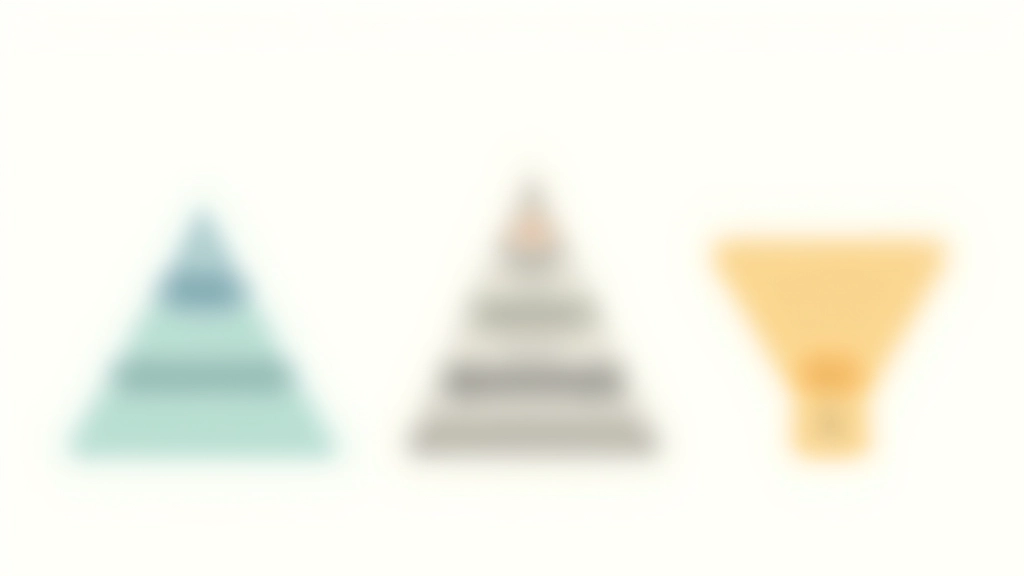
Expansive (Triangle)
Wide at the bottom, narrow at the top. Lots of young people, fewer elderly. You’ll see this in countries with high birth rates and developing economies. Think expanding population, growing workforce, but also high demand for schools and jobs.
Stationary (Rectangle)
Roughly equal across all ages. Birth rates have dropped to replacement level. Population isn’t growing much, but it’s stable. You see this in developed countries with moderate birth rates.
Constrictive (Urn)
Narrow at the bottom, wider in the middle. Very low birth rates. The population is aging rapidly. This is what you’re seeing in Japan, South Korea, and increasingly in Malaysia’s urban areas. Fewer young people, more retirees, potential workforce shrinkage.

How to Actually Read One
Start from the bottom and work your way up. Each horizontal bar represents an age group — usually 5-year bands like 0-4, 5-9, 10-14, and so on. The length of the bar shows how many people are in that age group.
The wider the bar, the larger that age cohort. A particularly bulging bar in the middle often indicates a baby boom generation moving through the population. A noticeable narrowing between age groups? That’s where birth rates dropped. You’re literally seeing history written in the shape — recessions, wars, policy changes all show up as bumps and gaps.
In Malaysia, you’d notice something interesting: the base is still fairly wide (lots of young people), but it’s getting narrower at the bottom than it was 10-15 years ago. The urban middle is bulging slightly as people age into their 40s and 50s. That’s demographic transition in action — development and urbanization changing family size choices.
Why This Matters for Economics
Population pyramids aren’t just demographic trivia. They directly predict economic challenges and opportunities ahead.
A pyramid with lots of young people means high dependency ratio — many young people relying on working-age adults. Schools need funding. Healthcare for children. Eventually, jobs for millions of teenagers. A constrictive pyramid means the opposite problem: aging dependency ratio. Fewer workers supporting more retirees. Pension systems get stressed. Healthcare costs rise for elderly care.
Malaysia faces this challenge now. The dependency ratio is shifting. By 2040, you’ll have more people over 65 than ever before. That affects retirement planning, labor force participation rates, immigration policy, and tax revenue. Countries can’t ignore what their population pyramid is telling them.


Calculating Key Metrics
Once you’ve read a pyramid, you can extract specific numbers. The dependency ratio is the big one: it’s the number of people under 15 plus those 65+ divided by the working-age population (15-64). A ratio of 0.5 means for every working person, there’s half a dependent. A ratio of 0.8 means the burden’s heavier.
You can also calculate the median age directly from the pyramid — that’s the age where exactly half the population is younger and half is older. Countries with median ages below 25 are generally young and developing. Above 40 means aging and developed. Malaysia’s median age is around 30-31, placing it firmly in the demographic transition zone.
Labor force participation rates come from the same data. What percentage of the working-age population actually works? In Malaysia, it’s around 67-68%, but that varies by age and gender. Younger cohorts participate more. Older workers drop off. The pyramid helps forecast these trends forward.
Key Takeaways
The pyramid shape tells you if a country is young and growing, stable, or aging rapidly.
Read from bottom to top — age groups at the base show birth trends. Gaps show where births dropped.
Dependency ratios, median age, and labor force projections all come directly from pyramid data.
Malaysia’s pyramid is transitioning toward a constrictive shape — fewer young people, more aging workers.
These shapes directly influence retirement age policy, healthcare planning, and workforce strategy.
Population pyramids aren’t just statistics — they’re predictions. Understanding the shape tells you what’s coming economically for the next 20-30 years.
Disclaimer: This article provides educational information about demographic analysis and population pyramids for general understanding. Population statistics and projections vary by source and methodology. For policy decisions, investment planning, or strategic decisions based on demographic data, consult with qualified economists, demographers, or policy professionals. Actual economic outcomes depend on numerous factors beyond population structure.